
Master The Art of Vaginal Prolapse Treatment With These 6 Tips
 Operemedy 8 months ago
 Warning: Undefined variable $updated_total_view in /home/u419604021/domains/operemedy.com/public_html/themes/oysnews/article.php on line 137
views
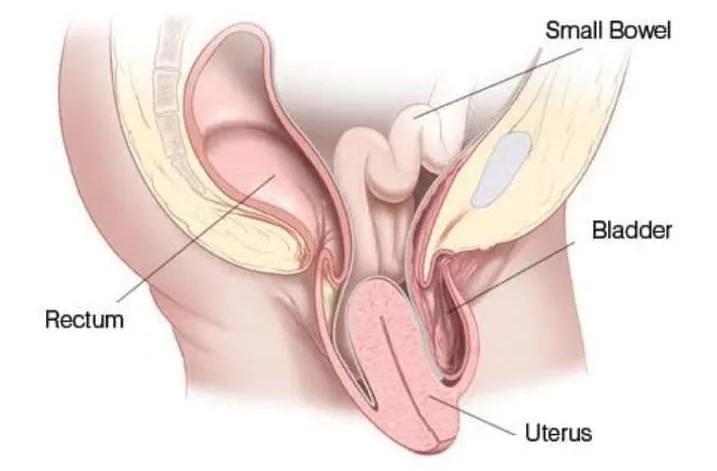
Weakened pelvic muscles that support a woman's organs can lead to vaginal prolapse.
The uterus, urethra, bladder, or rectum can drop into the vagina as a result of this weakness.
These organs may even extend out of the vagina if the pelvic floor muscles deteriorate sufficiently.
There is a woman in her mid-40s who has given birth to 8 girls who we occasionally run across. And it was all because her spouse desires a boy child.
When they arrived for surgery, she had vaginal prolapse following her eighth child. The husband was merely curious as to when she would be able to persuade him once more that he wants a boy as a child.
There are several types of Vaginal prolapse, including:
- Anterior vaginal prolapse
- Posterior vaginal prolapse
- Apical prolapse
- Uterine prolapse
The bladder can prolapse interiorly into the vagina, which is known as cystocele or urethrocele.
Retrocede, or Posterior vaginal prolapse, is caused by a weakening of the wall separating the rectum from the vagina. As a result, the rectum might protrude into the vagina.
The cervix or upper portion of the vagina can prolapse into the vagina, a condition known as apical prolapse (vaginal vault prolapse).
When the uterus sinks into the vagina, it is known as uterine prolapse.
The Prolapse of the Uterus: When the pelvic floor muscles and ligaments sag, weaken, and are unable to support the uterus adequately, uterine prolapse happens. The result is that the uterus enters or exits the vagina.
Women of any age might get uterine prolapse. However, postmenopausal women who have had one or more vaginal deliveries are frequently affected.
Typically, mild uterine prolapse doesn't need to be treated. However, you can benefit from treatment if uterine prolapse causes you discomfort or interferes with your daily activities.
Organ descent is meant when anything prolapses. When this happens, the uterus, ureth, bladder, or rectum collapse because they are no longer supported. The PELVIC FLOOR is a group of muscles, ligaments, and fibers that supports the organs found within the pelvic cavity. The organs then progressively drop when they relax or distend for whatever reason.
Women of all ages are susceptible to the condition known as UTERINE PROLAPSUS, which has DIFFICULT DELIVERY, SURGERY OF THE BASIN, MENOPAUSE, CERTAIN PROFESSIONAL ACTIVITIES (lifting heavy weights), and genetics as contributing factors.
UTERINE PROLAPSUS has four phases, which are:
- INTERA VAGINAL at Stage 1
- FUSSING THE VULVA, Stage 2
- Extending the vulvar orifice is stage 3
- Stage 4: COMPLETE TERRIORIZATION
The care of the pathology depends on the illness stage and is solely dependent on the Custodial interrogation of the patient and the physical examination. Treatment options range from hygiene-dietary measures in the absence of symptoms to surgery in Stages 3 and 4.
Mild uterine prolapse typically doesn't result in any indications or symptoms.
Signs and symptoms of viginal prolapse, ranging from moderate to severe.
- Feeling of pulling or weight in your pelvic
- You have tissue coming out of your vagina.
- Urinary problem including urine retention or urine leaking (incontinence).
- Problems going to the bathroom.
- Having the sensation that you are sitting on a little ball or that stuff is oozing from your vagina.
- Sexual issues such a lump at the entry of the vagina, a feeling of weight or pressure in the pelvis, or a sensation of looseness in the tone of your vaginal tissue.
- A dull ache in your lower back that disappears when you lie down, giving you the impression that you are sitting on a ball.
- Increased frequency of urination issue the act of completely emptying your bladder or your bowels.
- Bladder infections a lot.
- vaginal bleeding that is unusual.
- Urinary issues, such as pain during sex or pee leaking when you cough, sneeze, laugh, or exercise.
Viginal Prolapse Causes
Your pelvic organs are supported by a hammock-like group of muscles known as the pelvic floor muscles. These muscles might be strained and weakened after childbirth, especially if you had a challenging delivery.
These muscles can become even weaker with age and estrogen loss during menopause, which will cause the pelvic organs to droop into the vagina.
The deterioration of the pelvic muscles and supporting structures leads to uterine prolapse. The following factors can lead to weak pelvic muscles and tissues:
- Pregnancy
- Large baby delivered with difficulty or trauma Lower estrogen levels after menopause frequently lifting heavy objects
- Coughing constantly due to chronic lung disease
- Obesity or being overweight chronic constipation
- Smoking, having a family member with prolapse, such as a mother or sister, having fibroids are some other causes of vaginal prolapse.
Risk factors of Viginal Prolapse
Your risk of uterine prolapse may be affected by a number of factors, such as:
- One or more vaginal births and pregnancies
- Delivering a big baby
- Advancing age
- Obesity
- Pelvic surgery earlier
- Constipation that lasts a long time or a lot of straining when going potty
- Family history of connective tissue thinning
- Being white or Hispanic
Vaginal Prolapse Prevention Tips You Will Read This Year
- Try to: Regularly perform Kegel exercises to lower the risk of uterine prolapse. These exercises can help your pelvic floor muscles become stronger, which is crucial after giving birth.
- Constipation treatment and prevention. Eat high-fiber foods like fruits, vegetables, beans, and whole-grain cereals and drink lots of water.
- Whenever possible, lift light objects. Use your legs when lifting rather than your back or waist.
- Cough control. Don't smoke, and seek treatment if you have a persistent cough or bronchitis.
- Avoid gaining weight. Find out your desired weight and, if necessary, obtain assistance on weight-loss techniques by speaking with your doctor.
- One of your pelvic organs, such as your bladder, uterus, or rectum, may prolapse into the vaginal wall. It may feel heavy, like you're sitting on a ball, or that there is pressure in the vaginal area.
Kegel exercises and pelvic floor strengthening aren't the sole solutions because it can also be brought on by pelvic floor tightness, weakness, or poor coordination. And surgery is not either!
Determine the cause of your pelvic floor problem and attempt to resolve it.
Vaginal Prolapse Surgery
The weakening pelvic floor muscles will be supported by a piece of your tissue, tissue from a donor, or synthetic material. You can have this procedure through your vagina or through a few tiny abdominal incisions (laparoscopically).
what does vaginal prolapse look like? Pictures of our operations cannot be posted here since they resemble pornographic material.
Operating a mother-in-law and a daughter-in-law was an experience we had.
I learned during a brief talk with them that the two women gave birth to 11 and 10 children, respectively, and that they were all compelled to give birth vaginally. Some of the women didn't survive since they believed that CS is not good.
Additionally, not all Rural Health Centers have doctors.
The statistics I observed led me to realize that having numerous vaginal births can also lead to vaginal prolapse.
 Likes 0
Be the First to Comment:
Write a comment...