
Infertility in women: Causes, Symptoms, and Treatment
 Operemedy 9 months ago
 Warning: Undefined variable $updated_total_view in /home/u419604021/domains/operemedy.com/public_html/themes/oysnews/article.php on line 137
views
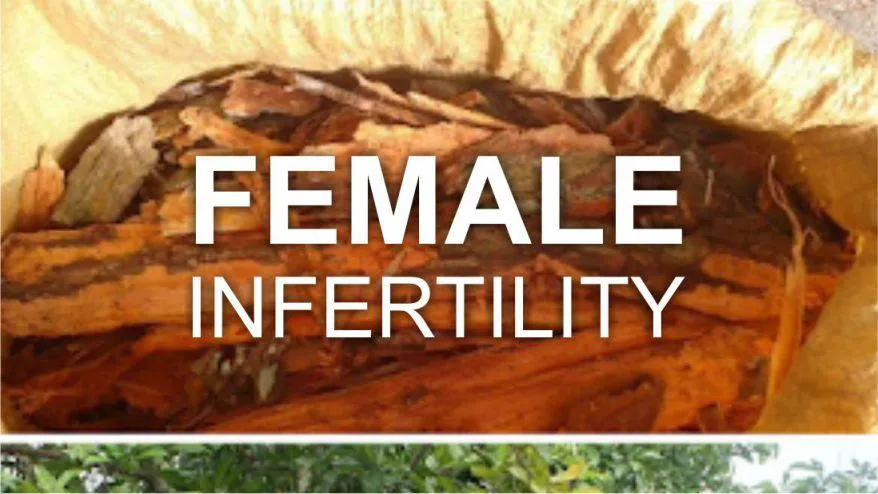
Infertility is a condition in which a woman's capacity to conceive and give birth to a child is hampered or hindered in some way. This is commonly identified after a year of attempting to get pregnant for heterosexual couples (man and woman) (but may be diagnosed sooner depending on other factors). Male troubles account for one-third of infertility cases in heterosexual couples, female issues for another third, and a combination of factors or unidentified causes account for the remaining third. When the female spouse is identified as the cause of infertility, it is referred to as female infertility or "female factor" infertility.
What are two types of infertility in females?
1. Primary Infertility: A woman who has never been pregnant and who, after a year of not using birth control, is unable to become pregnant.
2. Secondary Infertility: After at least one successful pregnancy, a woman experiences secondary infertility when she is unable to become pregnant again.
What Causes Infertility in women?
Ovulation problems are frequently the root of female infertility (the monthly release of an egg from the ovaries). Some problems impede the release of an egg entirely, while others simply hinder it during particular cycles.
Infertility in women can be caused by a variety of factors, including:
- Influence of genes
- Environmental determinants
- Smoking
- Aging
- The fallopian tube is damaged or blocked.
- Fibroids
- Menopause
- Problems with ovulation
- Cancer of the female reproductive system
- A certain drug
Aging: With time, a woman's eggs lose both quality and number. The rate of follicle loss accelerates towards the middle of the 30s, producing fewer eggs of lower quality. This increases the chance of miscarriage and makes fertilization more challenging.
Smoking: Smoking raises your risk of ectopic pregnancy and miscarriage in addition to harming your fallopian tubes and cervix. Additionally, it's known to prematurely age your ovaries and diminish your egg supply. Prior to starting fertility therapy, stop smoking.
Weight: Ovulation may be impacted by being significantly overweight or underweight. With a healthy body mass index, both the risk of pregnancy and the frequency of ovulation may increase (BMI).
Sexual background: The fallopian tubes can suffer damage from STIs such chlamydia and gonorrhea. Unprotected sexual activity with numerous partners raises your risk of contracting an STD that could later affect your ability to conceive.
Alcohol: Overindulgence in alcohol can lower fertility.
Mental strain: This can decrease sexual activity and have an impact on male and female sperm production.
Illegal drugs: Women who use cocaine or marijuana may experience issues getting pregnant.
Symptoms of Infertility in women
The following are infertility warning signs and symptoms of female infertility:
- Inability to conceive
- Miscarriages
- Periods of suffering
- Periods that are unusual
- Periods that are irregular
- Ovulation that isn't normal
- During sexual activity, there is pain.
- Hair loss is a common problem.
- Ache that occurs frequently
- Changes in sex motivation
- Skin alterations
Female fertility treatments
To control or stimulate ovulation, doctors may give fertility medications.
They consist of:
- When ovulation occurs infrequently or not at all due to PCOS or another disease, clomifene (Clomid, Serophene) promotes ovulation. It causes the pituitary gland to release more luteinizing hormone (LH) and follicle-stimulating hormone (FSH) (LH).
- Metformin (Glucophage): If Clomifene is ineffective for treating PCOS in women, metformin may be able to help, particularly when insulin resistance is involved.
- Menopausal human gonadotropin (Repronex): FSH and LH are both present in this. This medication may be administered as an injectable to patients who experience infertility due to a pituitary gland disorder.
- The pituitary gland creates a hormone called follicle-stimulating hormone (Gonal-F, Bravelle), which regulates the ovaries' ability to make estrogen. The ovaries are induced to produce mature egg follicles.
- When combined with clomiphene, hMG, and FSH, human chorionic gonadotropin (Ovidrel, Pregnyl) can induce ovulation.
- Gn-RH analogs: During hmG therapy, these can be helpful for women who ovulate too early, before the lead follicle is developed. It continuously supplies the pituitary gland with Gn-RH, which modifies hormone synthesis and enables the physician to use FSH to stimulate follicle growth.
- Prolactin synthesis is inhibited by the medication bromocriptine (Parlodel). During breastfeeding, prolactin boosts milk production. Women with high prolactin levels may experience irregular ovulation cycles and reproductive issues outside of pregnancy and lactation.
REMEDY AT HOME
INGREDIENTS: kola nut tree bark (It is called Epo Eyin Igi Obi in Yoruba).
PREPARATION: Powder the back of the kola nut tree and consume with hot pap or hot water. If the cause is completely biological rather than spiritual, you will be cured.
DOSAGE: Take one teaspoon twice a day for two weeks.
 Likes 0
Be the First to Comment:
Write a comment...