
Natural Treatments for Depression: Causes and Symptoms
 Operemedy 8 months ago
 Warning: Undefined variable $updated_total_view in /home/u419604021/domains/operemedy.com/public_html/themes/oysnews/article.php on line 137
views
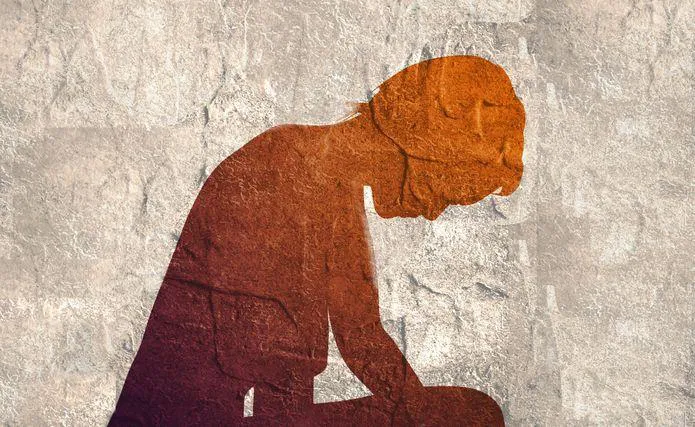
If depression is not treated, it can become a dangerous condition that gets worse over time. In contrast to physical ailments or conditions, depression patients and their caregivers frequently ignore and undervalue its symptoms. It is advised to consult professionals in order to receive prompt and efficient treatment.
What causes the depression?
Depression can have many different causes. It has numerous triggers and a wide range of potential causes. An traumatic or stressful life event, such as a death in the family, a divorce, a sickness, a layoff, or concerns about one's career or finances, may be the culprit for some people. Depression frequently results from a combination of many reasons.
What exactly are the symptoms of depression?
Although you might only experience depression once in your lifetime, most people experience many bouts. During these episodes, symptoms can include any of the following and may last for the majority of the day:
- Sadness, tears, emptiness, or a sense of futility
- Irrational behavior, irritation, or frustration, especially about trivial issues
- Considering hurting oneself
- loss of interest in activities you once found enjoyable, including most or all sports, hobbies, and sex
- Sleep disorders, such as insomnia or excessive sleeping
- Poor focus, sluggish thinking, speaking, or physical movements
- Feelings of guilt or worthlessness, a fixation on mistakes made in the past, or self-blame
- Problems with memory, concentration, decision-making, and thought
- Thoughts of suicide, death, or other suicidal behavior on a regular basis or repeatedly
- Persistently unhappy or gloomy mood
Who does depression usually affect?
One universal truth about depression is that women experience it twice as frequently as men do, regardless of race or economic status. "Women are more likely than men to self-report suffering depression, which is largely due to female hormones".
Here are some additional details on the dangers of this mental disorder:
Age: People between the ages of 45 and 65 are most vulnerable to developing major depression. "The extremely young and the very elderly may be at elevated risk for severe depression, but people in their middle years are at the top of the bell curve for depression." according to the bell curve. Six million Americans suffer from late-life depression, but 90% never seek assistance.
Race: According to the CDC, Black and Hispanic Americans are more likely to fit the criteria for MDD. This figure is puzzling because, according to the NIMH, black Americans are actually 40% less likely to have depression in their lifetime. I wouldn't take racial numbers too seriously. Race is not a factor in depression. The disparities most likely reflect various racial perspectives on discussing depression and seeking help.
Education and the economy: According to the CDC, people are more likely to satisfy the criteria for MDD if they have less education, less economic stability, and less insurance coverage. "Although it makes sense that those who are under more financial strain would also be more depressed, IQ or employment position have no effect on depression. It is an illness. Economic and educational factors, for example, may exacerbate depression symptoms or make it more difficult for you to get help, but they do not cause the illness.
Marital status: According to the CDC, those who have been married in the past are more likely to have serious depression. Marriage consistently reduces the incidence of depressive symptoms in both men and women, according to a U.S. Department of Health and Human Services evaluation of the impact of marriage and divorce on depression. Additionally, studies consistently demonstrate that divorce raises the incidence of depressive symptoms.
Family background: Numerous studies have demonstrated that families can pass on depression. There is a 50% probability that you will get major depressive disorder if you have an identical twin who does. Your likelihood of developing depression increases by around 25% if one of your parents struggles with it. But they don't reveal the whole story, just like all the other numbers. Studies on adoption indicate that there is a higher risk for a child who is adopted by a depressed parent.
What's the usual treatment for depression?
There are, however, methods for at-home depression impact reduction that are natural. Let's talk about some natural remedies, lifestyle modifications, and dietary enhancements that can help you overcome depression and live a healthier (and happier) life.
Good sleeping habits:
Depression is only one of the many issues in life that are brought on by poor sleep hygiene. Your mental health benefits from maintaining a regular sleeping schedule, timing, and 7 hours of restful sleep each night. Make every effort to facilitate this, including lighting up the space, soundproofing it, and, most importantly, exercising discipline.
Limit your caffeine intake:
Caffeine, which is found in large quantities in soda, coffee, and chocolate, can disrupt your sleep, especially if you drink it late at night. Avoid or minimize them. If you have a coffee addiction, try cutting back gradually to prevent the unpleasant withdrawal symptoms.
Taking a Spiritual Step:
Stress and depression can be greatly reduced with the aid of yoga and meditation. They aid people in becoming more awake and in controlling their feelings and thoughts. This is supported by both research and statistics.
Exercise regularly:
Physical activity has been shown to be particularly useful in preventing and treating depression. We do realize that it might be challenging to find the motivation to exercise when you're feeling down, but you can create a healthy habit by working out with your loved ones. You may, for instance, invite your friends, family members, or neighbors to go for a walk with you. This offers several advantages.
Consume foods that will make you feel good:
Our eating habits have an impact on our mental and physical wellbeing. Thus, eating a diet that is well-balanced and contains a variety of nutrients will improve your overall health. You can seek the advice of a dietitian or nutritionist who can assist you in creating the greatest nutritional supplements and a well-balanced diet for you.
Avoid drinking alcohol:
While drinking alcohol may seem to provide a temporary escape (from reality), sustained and high-dose use can actually make depression worse. It is advised to avoid using it if you can't eat it in a highly regulated, restricted amount of time and frequently.
Try being more social:
Keep in mind that humans are social beings. We require company in order to share our ideas, emotions, and compassion. Instead of suffocating emotionally alone, it's good to express yourself and share. Find ways to meet people through clubs, communities, and activities that fit your personality and interests, such as volunteering, sports, parties, games, the arts, or anything else that gives you the chance to interact with others who share your interests.
Conclusion:
Remember that everyone experiences exhilaration and depression at different times and to different degrees. It can be completely controlled and defeated; all that is required is knowledge, the adoption of best practices, a change in one's way of life, and consultation with specialists to determine the best course of action. Consulting a dietician or nutritionist for advice on nutritious foods and supplements would aid the cause even more, much as taking Ridomaxx multivitamins has helped many people improve their physical and mental health.
 Likes 0
Be the First to Comment:
Write a comment...