
Malaria and typhoid fever can be treated using natural remedies
 Operemedy 9 months ago
 Warning: Undefined variable $updated_total_view in /home/u419604021/domains/operemedy.com/public_html/themes/oysnews/article.php on line 137
views
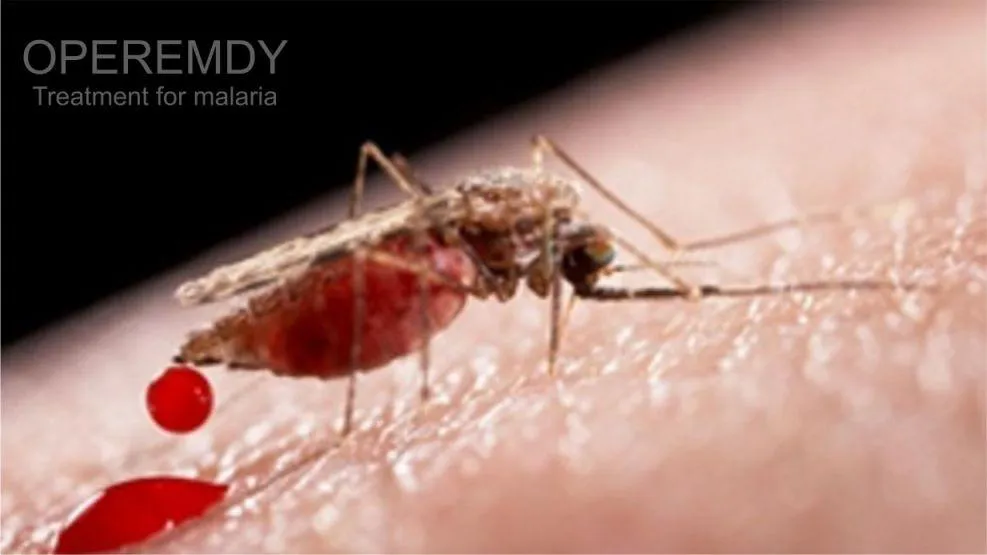
What exactly is malaria?
A parasite that is transmitted by a type of mosquito that eats humans, malaria is a dangerous and occasionally fatal disease. People who have malaria become ill because of the illness' high fevers, trembling chills, and flu-like symptoms.
What is the mode of transmission of malaria?
Anopheles mosquito bites from infected females transmit malaria. Only Anopheles mosquitoes can transmit malaria, and they must have already been infected by ingesting blood from an infected human. A tiny amount of blood is extracted when a mosquito bites an infected person, and this blood includes microscopic malaria parasites. About a week later, when the mosquito feeds on blood again, these parasites combine with the mosquito's saliva and are injected into the victim.
Because the malaria parasite is found in the red blood cells of an infected person, malaria can also be spread through blood transfusions, organ transplants, and the shared use of needles or syringes that have been contaminated with blood. Additionally, a mother's unborn child may contract malaria from her either before or after delivery (this is known as congenital malaria).
What are the symptoms of malaria and how can you know if you have it?
Fever and flu-like symptoms are brought on by malaria, along with shivering chills, muscle aches, headaches, and tiredness. Consequences include nausea, vomiting, and diarrhea are possible. Malaria has the potential to cause anemia and jaundice due to the loss of red blood cells (yellow skin and eyes). Infections can cause kidney failure, convulsions, mental confusion, comas, and even death if they are not treated right away.
Malaria can be prevented by using the medication listed below.
Have you been treating Malaria/Typhoid with hospital/pharmaceutical treatments that only work for a short time before returning stronger? If so, try these herbal solutions, which are inexpensive and effective at addressing the symptoms of the disease.
You'll need the following ingredients:
- Pawpaws that aren't quite ready to eat
- Pineapple
- Lemon
- Ginger and pap water boiled together (omiogi)
- Garlic, raw
- Ginger
- Clove
- Orange
- A small bit of black pepper (for absorption)
- Kola-nut
PREPARATION:
Combine the ingredients in a large pot, rinse thoroughly, then fill with water and bring to a boil for 45 minutes. Remove the pot from the heat and leave for another hour to let the ingredients to fully infuse into the boiling water. Sieve and drink a cup three times a day.
In a few days, the person will sweat and feel better.
Repeat the medication for three more days and observe the changes in the urine and in the body.
To avoid infecting others, take the following precautions.
Take these steps to safeguard others while you are treating your typhoid fever:
- As recommended, take your antibiotics. Follow your doctor's instructions when taking your antibiotics, and make sure you complete the entire prescription.
- Washing your hands frequently is advised. The most important action you can take to stop the disease from getting worse is to take this. Particularly before eating and right after using the restroom, wash thoroughly for at least 35 seconds with hot, soapy water.
- Handling food is not recommended. Before making food for others, wait until your doctor says you're no longer contagious. You won't be permitted to resume employment in a hospital or food service industry until tests show you are no longer exuding typhoid bacteria.
 Likes 1
Be the First to Comment:
Write a comment...